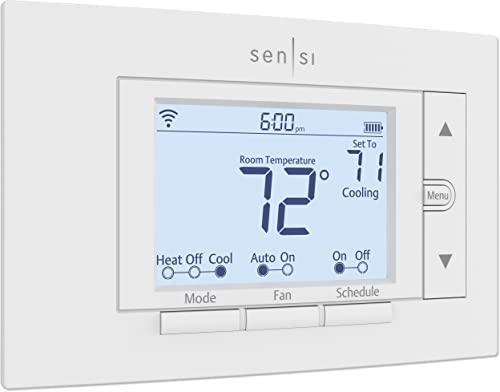
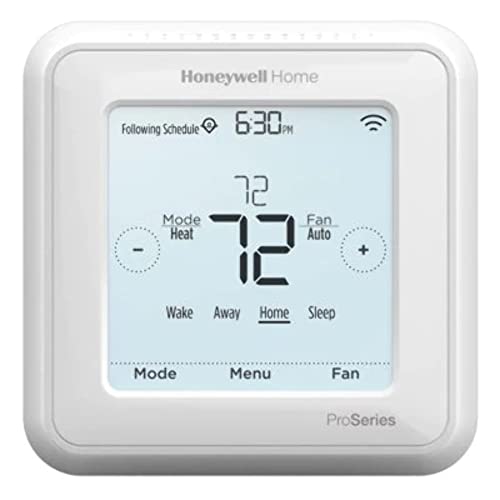
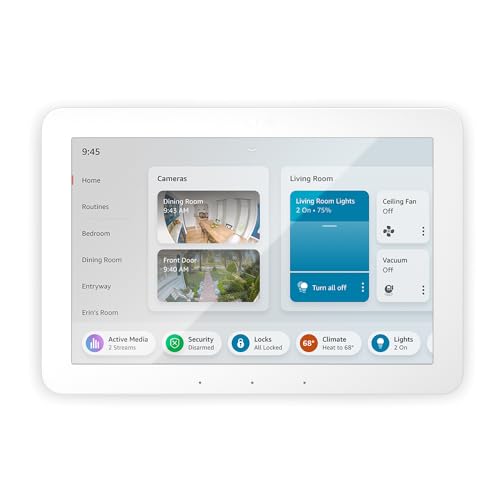
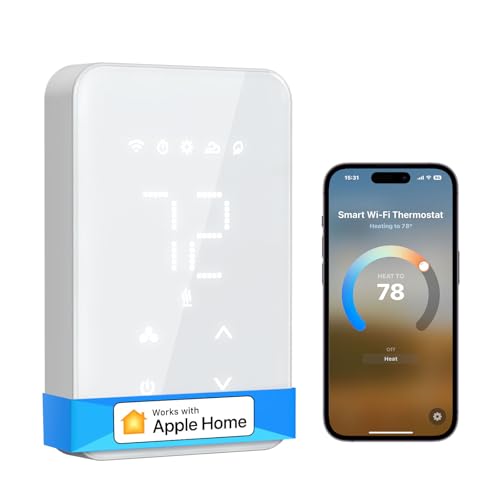
Smart thermostats are changing the way we manage our home’s heating and cooling systems. One of the primary benefits of these innovative devices is energy efficiency. By learning your daily habits and preferences, smart thermostats can adjust the temperature automatically, ensuring your home is comfortable when you’re there and saving energy when you’re not. This can lead to significant savings on your energy bills over time, making it a smart financial choice for homeowners.
Another advantage is convenience. With the ability to control your home's temperature through a smartphone app, you can adjust the settings from anywhere. Forgot to turn down the heat before you left for vacation? No problem! You can easily make changes on the go, ensuring your home is just the way you like it when you return. Many smart thermostats can even be integrated with voice-activated devices, adding another layer of convenience to your daily life.
Smart thermostats also offer enhanced comfort. With features like geofencing, they can detect when you are approaching home and start adjusting the temperature accordingly. This means you’ll always walk into a perfectly heated or cooled space, tailored to your liking. Additionally, they can monitor indoor air quality and alert you to any issues, promoting a healthier living environment for you and your family.
Lastly, the ease of installation and setup makes smart thermostats a great home improvement project. Many models can be installed in just a few simple steps, and the user-friendly interfaces make navigating the features a breeze. This accessibility means that anyone can enjoy the numerous benefits of smart thermostats without needing to be a tech expert.
Choosing the Right Smart Thermostat
Next, think about the features that matter the most to you. Some smart thermostats come with learning capabilities, adjusting the temperature based on your habits and preferences. Others offer remote access via smartphone apps, allowing you to control your home's climate from anywhere. If energy efficiency is a priority for you, look for models with Energy Star ratings that provide insights into your usage and suggest ways to save on your bills.
User-friendliness is another important factor. A simple, intuitive interface can make all the difference when it comes to daily use. Some thermostats feature touch screens, while others might rely on voice commands or smartphone controls. Consider what will work best in your home and for your lifestyle. Reading reviews and comparing different models can provide valuable insights into their ease of use and reliability.
Lastly, don’t forget about ongoing support and updates. As technology evolves, it’s beneficial to choose a brand that regularly updates its software and provides customer assistance. This ensures that your smart thermostat remains efficient and useful for years to come. By keeping these factors in mind, you'll be well on your way to choosing the perfect smart thermostat to revolutionize your home's climate control.
Easy Installation Steps
Installing a smart thermostat is a fantastic way to enhance your home’s energy efficiency, and the best part? It’s incredibly easy! Most smart thermostats can be installed in under an hour, so you’ll be reaping the benefits in no time. Let’s walk through the simple steps to get your smart thermostat up and running.
First, gather your tools. You’ll typically need a screwdriver, a drill (if you need to make new holes), and possibly a level. Start by turning off the power to your old thermostat to ensure safety during the installation. Next, carefully remove the existing thermostat to expose the wires. Take a picture of the wiring setup, as this will be a handy reference when connecting your new device.
Once the old thermostat is out, it’s time to mount your smart thermostat. Most models come with a wall plate that helps to secure it in place. Use the provided screws or anchors to attach it to the wall. After that, connect the wires according to the photo you took earlier. Don’t worry—most smart thermostats come with clear and easy-to-follow instructions to guide you through the wiring process.
Finally, attach the thermostat to the wall plate, turn the power back on, and follow the manufacturer’s setup instructions. This usually involves connecting to your Wi-Fi network and configuring the device through a companion app on your smartphone. In just a few minutes, you’ll have a brand-new smart thermostat that makes managing your home’s temperature a breeze!
Tips for Optimal Temperature Control
When it comes to maximizing the efficiency of your smart thermostat, optimizing temperature control is key. Start by understanding the ideal temperature settings for different times of the day. Many experts recommend keeping your home at around 68°F during the winter and 78°F in the summer when you are at home. Adjusting your thermostat settings by just a few degrees can lead to significant energy savings without sacrificing comfort.
Utilize the scheduling feature of your smart thermostat to ensure it automatically adjusts when you're away or asleep. For instance, you might set it to lower the temperature at night or during your work hours, and then raise it just before you wake up or return home. This way, your home stays comfortable when you need it to be but conserves energy when you're not around.
Another important tip is to take advantage of your thermostat’s geofencing capabilities. Many smart thermostats come with this feature that detects when you are near home or away via your smartphone’s GPS. This means that the thermostat can automatically adjust the temperature based on your location, ensuring that your home is always at the perfect temperature when you arrive, while also saving energy when you are not there.
Don’t forget to keep your smart thermostat and home environment in sync. Ensure that your thermostat is placed in an appropriate location—not too close to windows or doors where drafts can affect its reading. Sealing leaks around doors and windows also helps maintain a stable temperature, allowing your thermostat to work more effectively.
Lastly, consider remote temperature sensors if your smart thermostat supports them. They can be placed in various rooms to monitor and control the temperature more accurately throughout your home. This way, you can avoid hot or cold spots and maintain a consistent temperature where you spend most of your time, enhancing both comfort and efficiency.