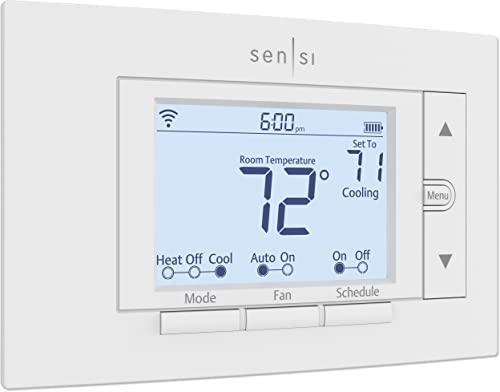
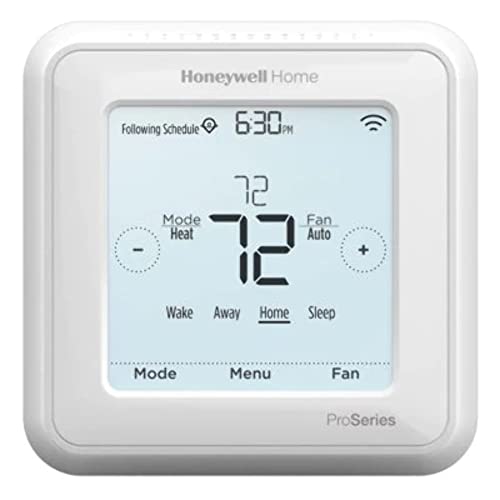
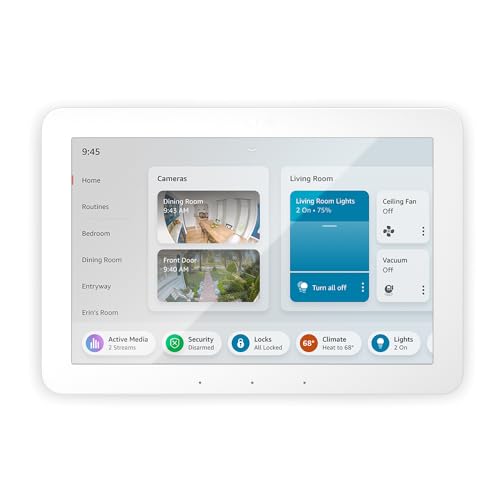
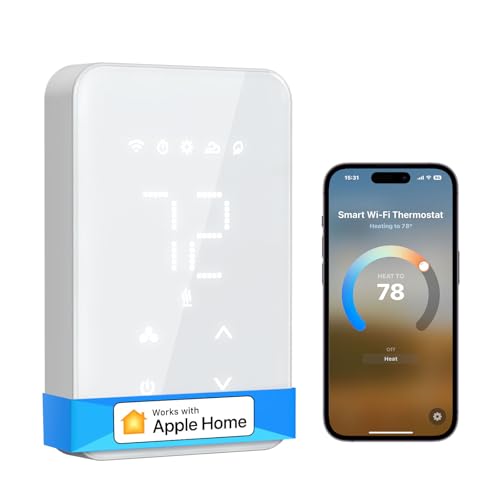
Wifi thermostats bring a modern twist to home heating, offering convenience and efficiency that traditional thermostats simply can't match. One of the standout benefits is the ability to control your heating remotely through a smartphone or tablet. Whether you're lounging on the couch or halfway across the world, you can adjust your home's temperature with just a few taps. This means no more returning to a cold house in winter or wasting energy by heating an empty space.
Another major advantage of Wifi thermostats is their ability to learn and adapt to your habits. Many smart models use algorithms to understand your schedule and preferences, automatically adjusting the temperature at different times of the day. For instance, if you typically wake up at 7 AM, the thermostat can start warming up your home a little earlier, ensuring your comfort when you get out of bed. This feature not only enhances your comfort but can also lead to significant energy savings over time.
Moreover, Wifi thermostats can provide detailed energy reports, giving you insights into your heating usage. This data allows you to identify patterns and make informed decisions about your energy consumption. By understanding when and how you use heating, you can make adjustments to reduce your energy bills while keeping your home cozy. Some models even allow you to set specific goals for energy savings, making it easier to track your progress.
Finally, many Wifi thermostats offer compatibility with smart home systems, enabling you to integrate your heating with other smart devices. For instance, you can create routines that adjust your heating based on factors like outdoor temperature or occupancy. Imagine your thermostat automatically lowering the heat when you leave for work and warming things up again right before you return home. This seamless integration can enhance your home's overall efficiency and create a more comfortable living environment.
How Wifi Thermostats Work
Wifi thermostats are innovative devices that help manage your home's heating system efficiently. At their core, these thermostats connect to your home's wireless internet network, allowing you to control the temperature from your smartphone or other connected devices. This means you can adjust your heating settings whether you're at home, at work, or even on vacation!
So, how do they work? First, the wifi thermostat replaces your traditional thermostat. It connects to your heating system, whether it's a furnace, heat pump, or radiant floor heating. Once installed, the thermostat communicates with your home’s Wi-Fi network. It typically comes with a companion app that you can download on your smartphone or tablet.
With the app, you can easily set schedules, view energy usage reports, and even make adjustments to the temperature from anywhere. Most wifi thermostats also feature smart learning capabilities. This means they can learn your preferences over time, automatically adjusting the temperature based on when you’re home or away. This feature not only keeps you comfortable but can also save on energy costs.
Wifi thermostats may also come with additional features such as geofencing, which uses your phone’s GPS to detect when you’re nearby. This allows the thermostat to automatically adjust to your desired temperature as you approach home. Some models even integrate with other smart home systems, enabling voice control and more seamless management of your home environment.
Choosing the Right Wifi Thermostat
Another important aspect to think about is the user interface. A thermostat that’s easy to navigate can save you time and prevent frustration. Look for models with clear displays and intuitive controls. Many WiFi thermostats now come with mobile apps that allow you to control the temperature from your smartphone. Make sure the app is user-friendly and offers features that suit your lifestyle, like scheduling or energy usage reports.
Energy efficiency is also a major selling point for WiFi thermostats. Some models have smart learning capabilities that adjust to your habits over time, optimizing heating based on when you’re home or away. This not only helps reduce your energy bills but also contributes to a more sustainable home. Look for products with the ENERGY STAR label, which indicate they meet energy efficiency guidelines set by the U.S. Environmental Protection Agency.
Lastly, consider whether you want additional features. Some WiFi thermostats offer voice control compatibility or integration with other smart home devices, such as smart speakers and lighting systems. If these features sound appealing, take some time to research options that will enhance your overall smart home experience. By keeping these factors in mind, you can confidently select a WiFi thermostat that meets your heating needs while giving you greater control over your home environment.
Tips for Smart Heating Efficiency
When it comes to smart heating efficiency, a few simple tips can help you maximize comfort while minimizing energy costs. One of the best practices is to set a schedule for your thermostat. By programming your WiFi thermostat to lower the temperature when you're away or sleeping, you can save energy without sacrificing comfort. Most smart thermostats allow you to create a custom schedule that suits your daily routine, so take advantage of this feature for optimal efficiency.
Another great tip is to make use of the learning capabilities of many smart thermostats. These devices can learn your habits over time and adjust the heating accordingly. Allow your thermostat some time to gather data on your living patterns, and you’ll likely find it can make smart adjustments that save energy automatically. Over time, it can even detect when rooms are occupied or unoccupied, allowing for targeted heating.
Don’t forget the importance of regular maintenance for your heating system! Keeping your heating equipment in top shape ensures it operates efficiently. Check the filters regularly and replace them as needed. A clogged filter can restrict airflow, forcing your system to work harder and consume more energy. Additionally, periodically check the insulation in your home and seal any drafts to maintain a consistent temperature without overworking your heater.
Lastly, consider utilizing the energy reports that many smart thermostats provide. These reports give insights into your heating patterns and highlight potential areas for improved efficiency. By reviewing this data regularly, you can identify trends and make adjustments that not only enhance comfort but also result in lower energy bills.